Electric vehicles catch fire for reasons fundamentally different from gasoline or diesel cars. The driver is chemistry: when lithium-ion battery cells are damaged, overheated, or defectively manufactured, they can enter thermal runaway—a self-heating chain reaction that produces intense heat and flammable gases. Large-format cells can reach peak reaction temperatures in the 750–860 °C range, with jet-like vents; on the road, some EV pack fires have required tens of thousands of gallons of water to cool.
NFPA recorded an estimated 200,876 U.S. highway vehicle fires in 2022—predominantly gasoline or diesel. Meanwhile, Swedish data reported ~3.8 fires per 100,000 electric or hybrid vehicles versus 68 per 100,000 internal combustion engine vehicles.
What Causes EVs To Catch Fire?
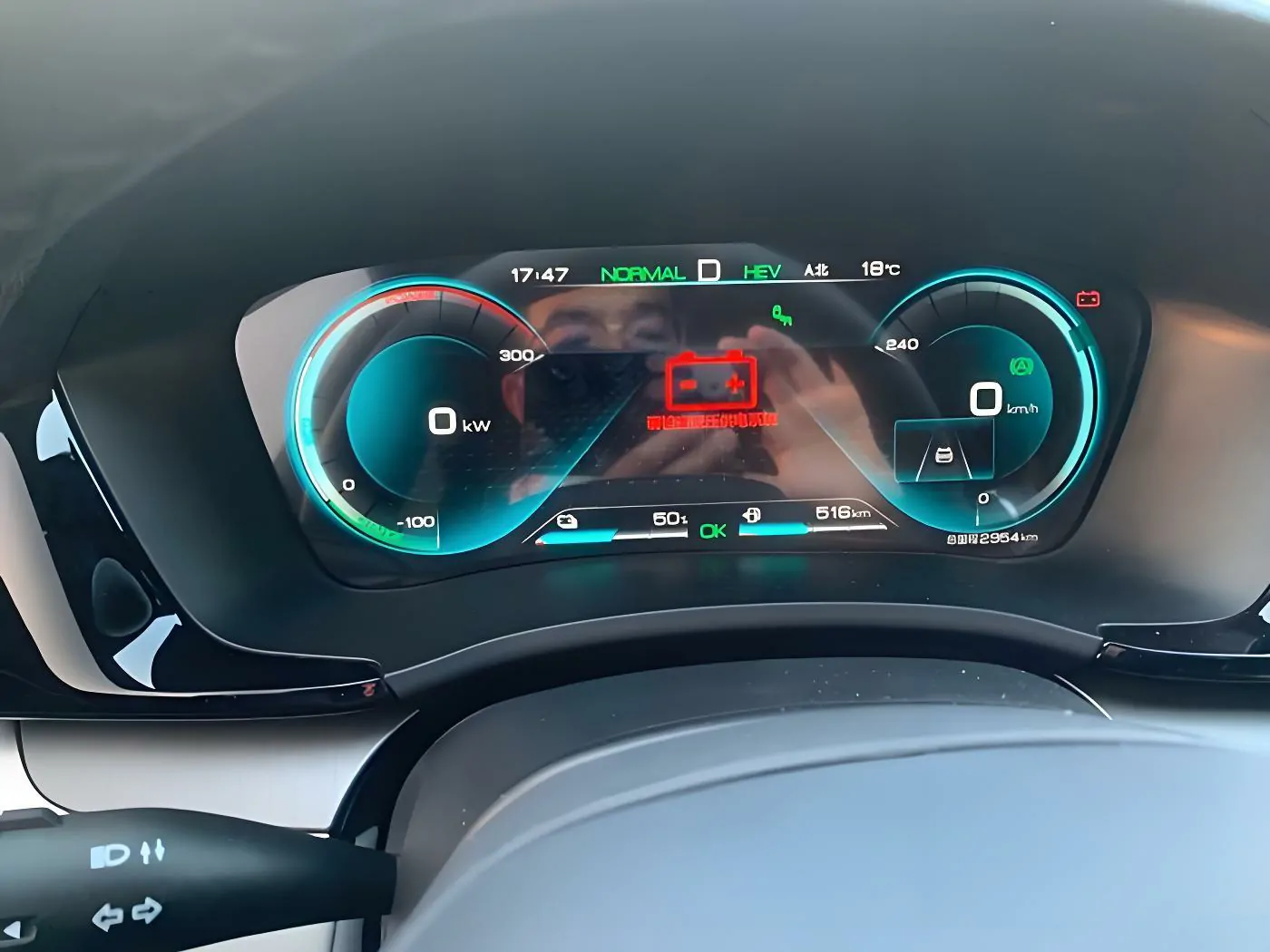
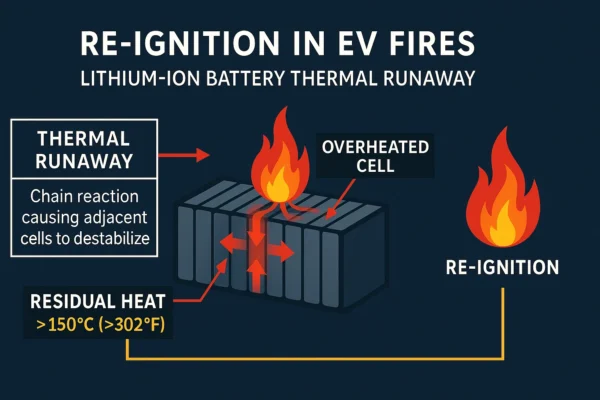
Most electric vehicle fires begin inside the battery pack when one cell fails and sets off a chain reaction called thermal runaway. This process happens when a lithium-ion cell overheats, vents flammable gases, and ignites neighboring cells. It’s a chemistry problem, not a fuel problem—unlike gasoline or diesel car fires that start outside the engine, EV fires start deep within the battery.
Several conditions can make an EV battery catch fire:
Impact or damage: a crash or debris strike can crush battery cells or wiring.
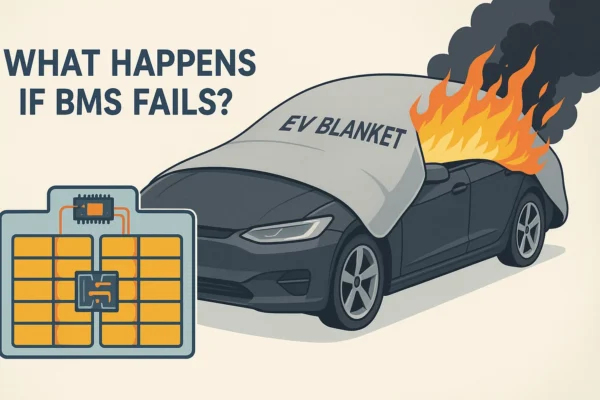
Overcharging or BMS failure: faulty controls allow heat to build beyond safe limits.
Manufacturing defects: microscopic flaws can pierce separators between cells.
Automakers test against these risks under UL 2580 and SAE J2464 standards. The Chevrolet Bolt recall showed how two small defects in one cell design caused multiple vehicles to catch fire—proof that even minor internal issues can lead to major incidents requiring long fire-department cooling operations.
The Mechanism of Thermal Runaway
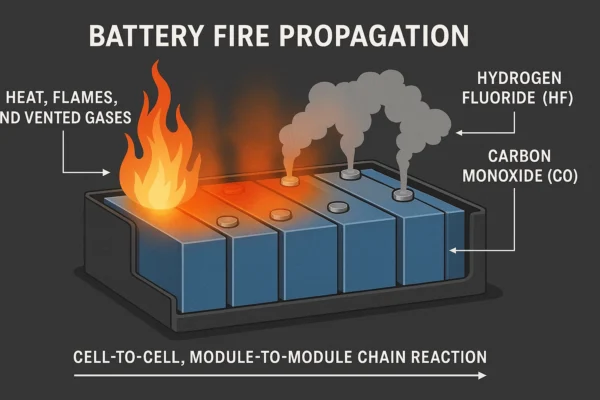
Thermal runaway is the chain reaction that makes electric vehicles catch fire. Once a lithium-ion cell passes about 120 °C (248 °F), the separator softens, an internal short forms, and stored energy flashes into heat and vapor. Neighboring battery cells heat within milliseconds, driving pack temperatures beyond 700 °C (1,292 °F) and turning an electric vehicle battery into a single heat source.
How it unfolds (seconds to minutes):
Heat buildup—overcharge, crush, or internal defect.
Gas release—electrolyte decomposes; flammable jets vent.
Ignition & propagation—modules ignite; EV battery fires sustain themselves because the chemical reactions supply their own oxygen.
Automakers evaluate this hazard under UL 2580 and SAE J2464 abuse/propagation tests. For responders, tactics align with OEM emergency response guides and NFPA frameworks (e.g., NFPA 855 for energy-storage hazards; NFPA 70B for electrical safety/maintenance context). In difficult incidents, a fire department may need >30,000 gallons of water or immersion cooling to prevent battery catching fire again—one reason fires compared with gasoline or diesel behave so differently in powered vehicles.
Key Triggers of Thermal Runaway
Mechanical Damage
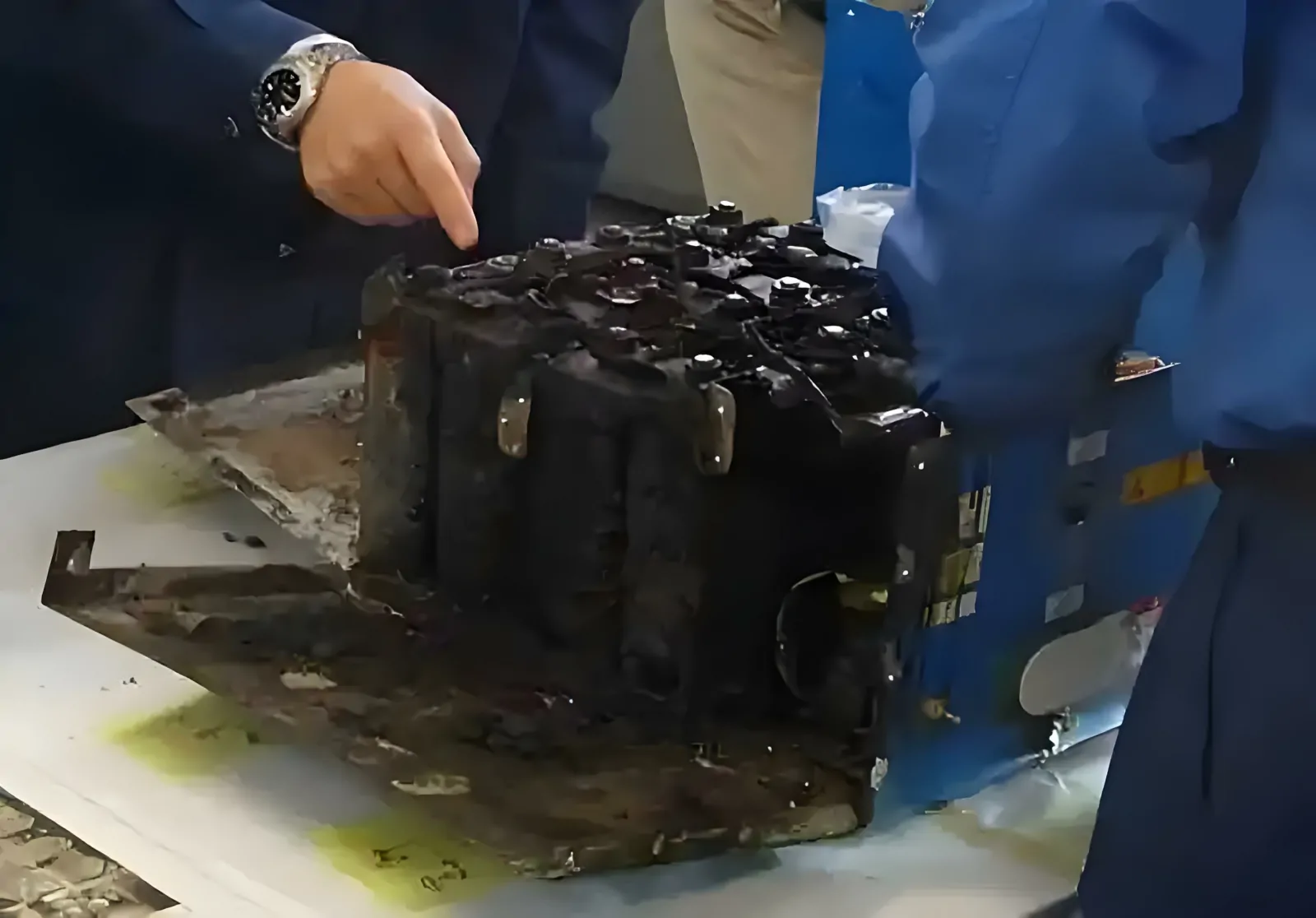
EV battery packs are often located in the undercarriage to lower the vehicle’s center of gravity, but this also makes them vulnerable to road debris, high-speed collisions, and structural compression during accidents. If a hard impact punctures the battery casing, it can breach multiple cells, leading to an instantaneous internal short circuit.
This risk is well-documented.
- In 2013, a Tesla Model S struck a piece of metal debris on a highway, puncturing the battery and igniting a fire. This led Tesla to implement titanium shielding and underbody protection in newer models.
- In 2021, a high-speed crash involving a Model S in Texas resulted in a severe fire, requiring over four hours and 30,000 gallons of water to fully suppress.
Low-speed impacts, such as curb strikes or pothole damage, can also weaken the protective casing, creating a delayed failure mode where stress fractures allow moisture infiltration or internal degradation over time.
Overcharging & Overdischarging
Lithium-ion batteries operate within a strict voltage range (typically 2.5V–4.2V per cell). Deviating from this range can introduce serious instability risks:
- Overcharging (>4.2V/cell) causes excess lithium-ion deposition on the anode, forming metallic dendrites—thin, needle-like structures that grow over time and can puncture the separator, leading to an internal short circuit.
- Overdischarging (<2.5V/cell) can cause copper dissolution in the anode’s current collector. When the battery is recharged, these copper ions replate in unwanted locations, forming conductive bridges that increase short-circuit risk.
The dangers of overcharging were highlighted in GM’s recall of over 140,000 Chevrolet Bolt EVs between 2020 and 2021, where manufacturing defects in LG Chem’s battery cells led to a higher risk of internal shorts and spontaneous fires.
Thermal Management System (TMS) Failure
EVs rely on active cooling systems to keep batteries within an optimal temperature range of 15°C to 45°C (59°F to 113°F). If the thermal management system (TMS) fails, batteries can overheat—especially in hot climates like Arizona, Texas, or Nevada, where ambient temperatures already push cooling systems to their limits.
Cold temperatures introduce a different risk:
- In subzero conditions, lithium-ion diffusion slows, increasing dendrite formation.
- When the battery is rapidly fast-charged in freezing temperatures, existing dendrites can puncture the separator, leading to sudden failure.
Several Tesla fires in extreme weather conditions have been linked to thermal management failures, highlighting the importance of robust cooling architecture.
Water Damage & Corrosion
While modern EV battery packs are designed to be IP67 or IP68-rated, prolonged exposure to floodwaters, humidity, or saltwater environments can degrade insulation and cause electrical shorts.
This became alarmingly clear during Hurricane Ian in 2022, when dozens of waterlogged EVs in Florida spontaneously ignited. Saltwater intrusion created conductive pathways, leading to uncontrolled current flow and eventual thermal runaway.
Coastal regions, where salt exposure accelerates battery casing corrosion, also pose long-term safety risks if moisture seeps into the pack.
Electrical Malfunctions
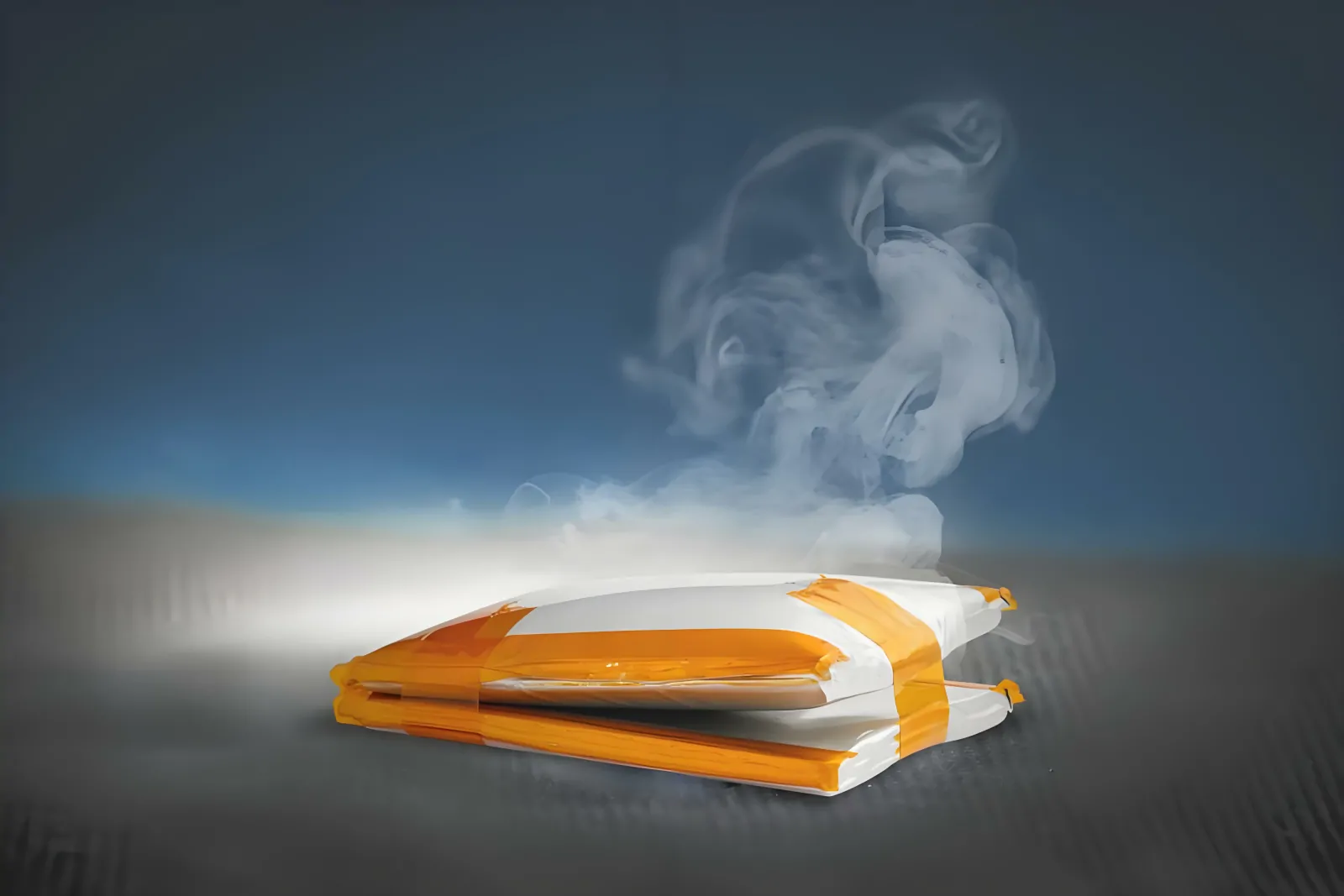
Electrical malfunctions, including overcharging, short circuits, and faults in the battery management system (BMS), are responsible for approximately 9.7% of electric vehicle battery fires. Overcharging can lead to excessive current flow, overheating, and eventually called thermal runaway. In some cases, manufacturing defects in separators or wiring exacerbate these risks by creating weak points within the battery cells.
To mitigate this, companies like Nissan and Hyundai have integrated advanced BMS solutions capable of real-time monitoring, which can detect anomalies such as voltage imbalances or rising temperatures. These systems can isolate problematic cells or shut down the entire battery system to prevent escalation. The adoption of high-quality cell separators and reinforced wiring materials has further reduced the risk of electrical failures.
Thermal Stress
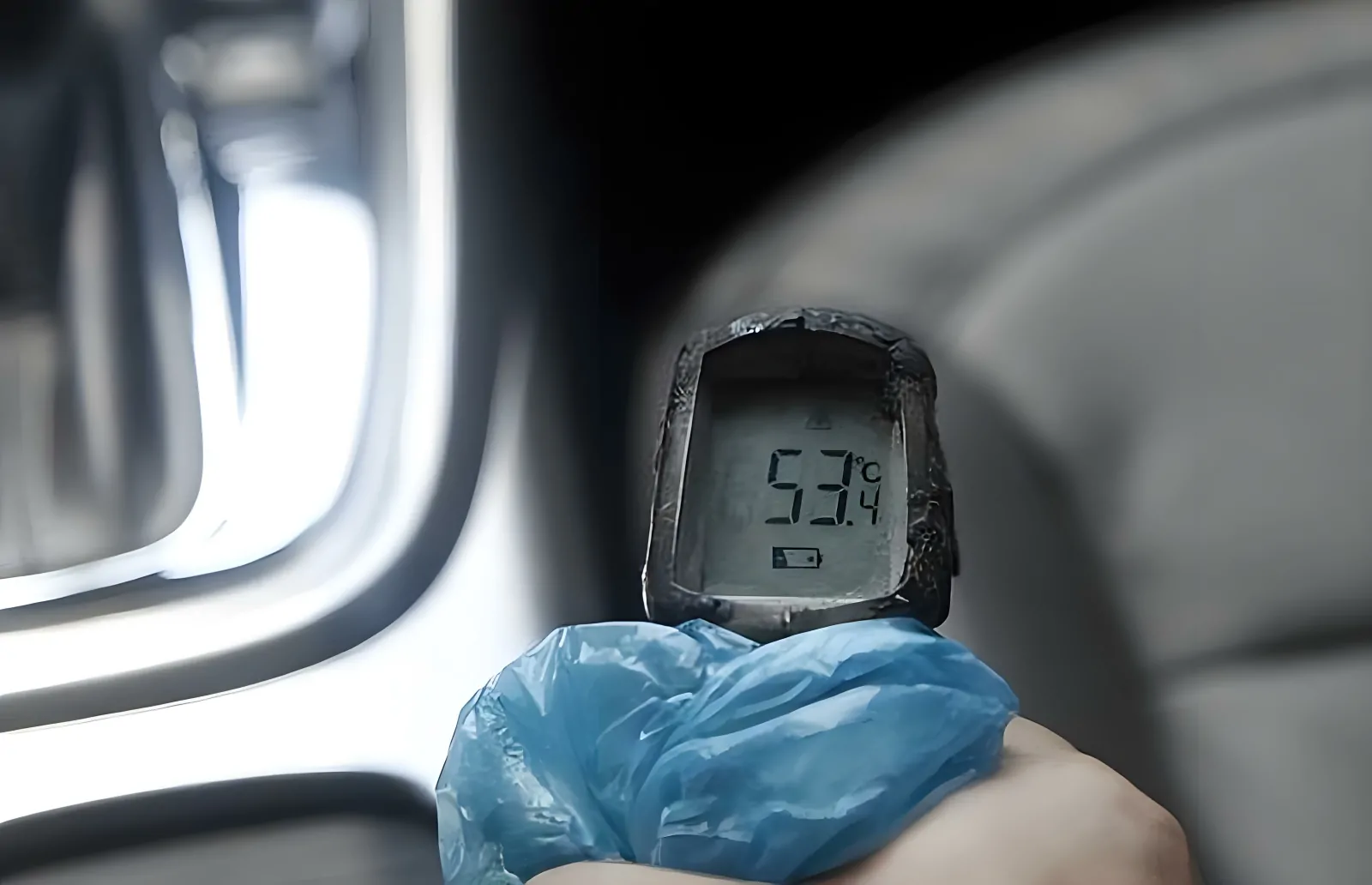
Thermal stress is a critical factor that significantly impacts the stability of lithium-ion batteries. Research indicates that when ambient temperatures exceed 35°C (95°F) and batteries are exposed to rapid charging cycles more than three times a day, the likelihood of called thermal runaway increases dramatically.
This is particularly true when the state of charge (SoC) exceeds 80%, as high SoC levels exacerbate internal heat generation. Frequent fast charging at high temperatures can degrade the thermal stability of battery cells, leading to accelerated electrolyte decomposition and increased internal pressure. To address this, automakers such as Rivian and Ford have implemented advanced liquid cooling systems within their battery packs, ensuring that operating temperatures remain below 30°C (86°F) even during rapid charging. These systems use high-efficiency heat exchangers and predictive thermal management algorithms to distribute heat evenly and prevent localized hotspots, effectively reducing the occurrence of electric vehicle battery fires.
Chemical Instability
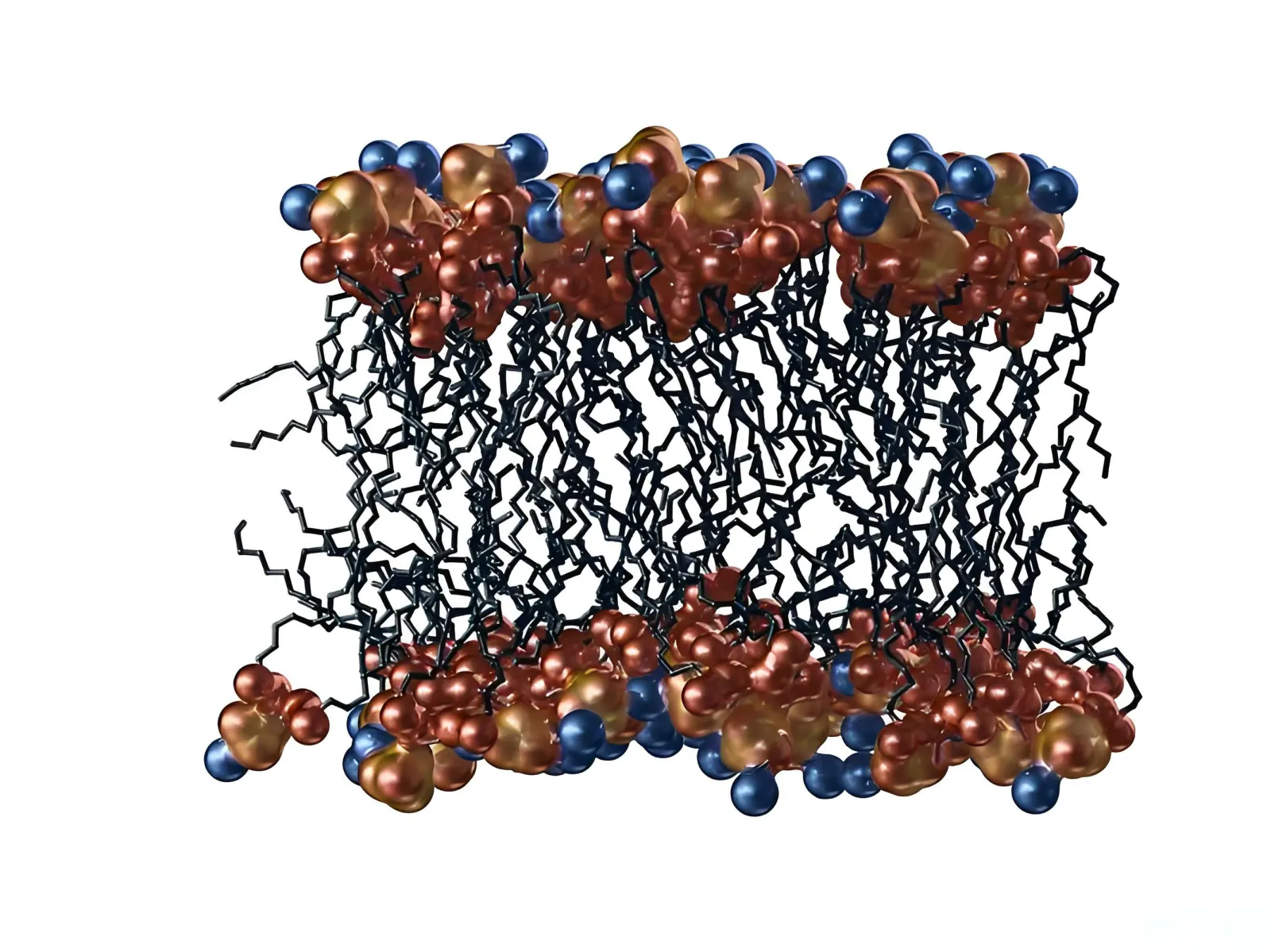
The choice of battery chemistry plays a crucial role in determining susceptibility to lithium ion battery fires. High-energy-density batteries, such as those using nickel-cobalt-aluminum (NCA) chemistry, are more prone to instability compared to safer alternatives like lithium iron phosphate (LFP) batteries. LFP batteries, with their lower energy density, provide greater thermal stability, making them a preferred choice for many manufacturers, including BYD and Tesla’s standard-range models. Meanwhile, significant advancements are being made in solid-state battery technology by companies like Toyota and QuantumScape. These batteries replace flammable liquid electrolytes with non-flammable solid materials, significantly reducing the likelihood that EVs will catch fire.
Signs of Impending Thermal Runaway
Electric car fires rarely occur without warning, and recognizing the early signs is critical to preventing catastrophic outcomes. The most common indicators include a significant increase in cell temperature, which may exceed 60°C before accelerating to a runaway state. This temperature rise is often accompanied by physical swelling of the battery cells as internal pressure builds. During this process, flammable gases such as hydrogen and methane may be released due to the decomposition of the electrolyte. These gases, when combined with heat, create an environment highly conducive to ignition.
Advanced detection systems are essential in identifying these warning signs before escalation. Technologies such as thermal imaging cameras can monitor temperature anomalies across the battery pack in real-time, while gas sensors detect the presence of volatile compounds at extremely low concentrations. For instance, Tesla and Hyundai have incorporated multi-layered early detection mechanisms into their EVs, enabling rapid intervention by the battery management system (BMS) to shut down affected cells and prevent further damage. Additionally, research indicates that integrating predictive analytics into BMS software can enhance the ability to forecast thermal events based on patterns of use and environmental conditions.
Do EVs Catch Fire More Than Gas Cars?
Contrary to popular belief, EVs catch fire less frequently than gas-powered vehicles. According to the National Transportation Safety Board, ICE vehicles experience approximately 1,529 fires per 100,000 vehicles annually, compared to just 25 per 100,000 for EVs. However, the causes and consequences of these fires vary significantly. For ICE vehicles, the majority of fires are attributed to fuel leaks, electrical system failures, or overheating engines. These incidents often occur on highways or in urban traffic, causing substantial economic losses and occasional fatalities.
In contrast, electric vehicle battery fires are primarily linked to called thermal runaway within lithium-ion batteries. While less frequent, they are often more complex to extinguish, requiring specialized firefighting equipment and prolonged intervention times. For example, data from NFPA indicates that extinguishing an EV fire can take up to 24 hours and involve 20,000 gallons of water, significantly straining fire department resources.
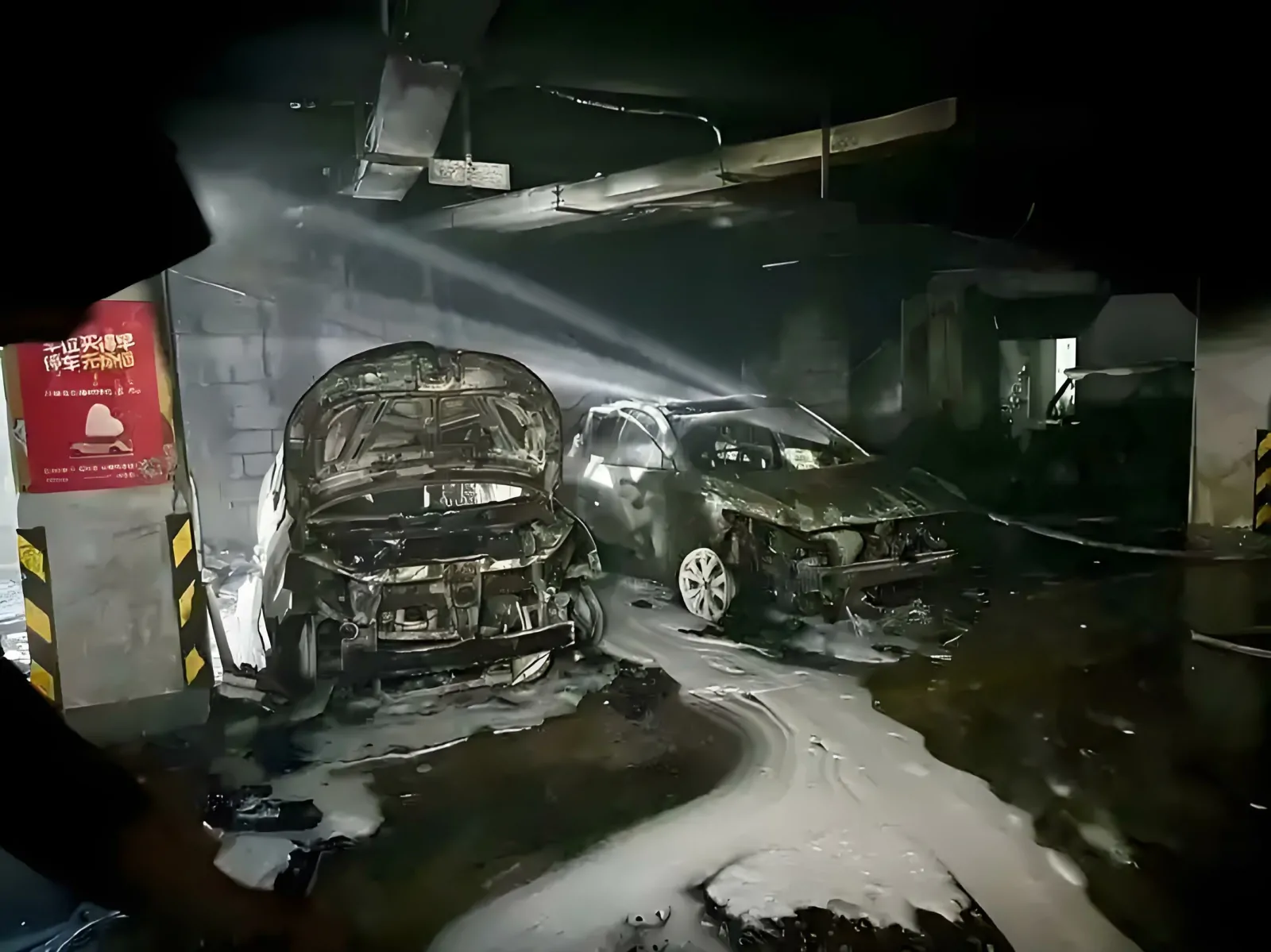
The financial impact of electric car fires can also be severe due to the high cost of battery replacement and potential damage to surrounding infrastructure. For instance, a single EV fire in an underground parking garage can result in millions of dollars in damages and lengthy repair timelines. Additionally, EV fires pose unique challenges to emergency responders, as the release of toxic gases such as hydrogen fluoride requires specialized protective gear and ventilation systems.
Understanding the differences in fire dynamics and leveraging data-driven strategies are crucial for improving fire safety across all vehicle types. Manufacturers, regulators, and fire departments must collaborate to develop targeted solutions, such as improved fire suppression systems and enhanced safety protocols for both EVs and gasoline fires.
After understanding the question of why do EVs catch fire?, how to solve the problem of EVs Catch Fire? Up to now, there is no liquid that can prevent EV fire from continuing to burn. The most effective way to put out EV fire is to contain the spread of EV fire. Safeprotex has developed an EV fire blanket specifically for EV fire. Just like the car fire extinguisher, we recommend that you keep one in the trunk, which will definitely help you at the critical moment.